

By Emma Williams
Growing Momentum for Clean Energy
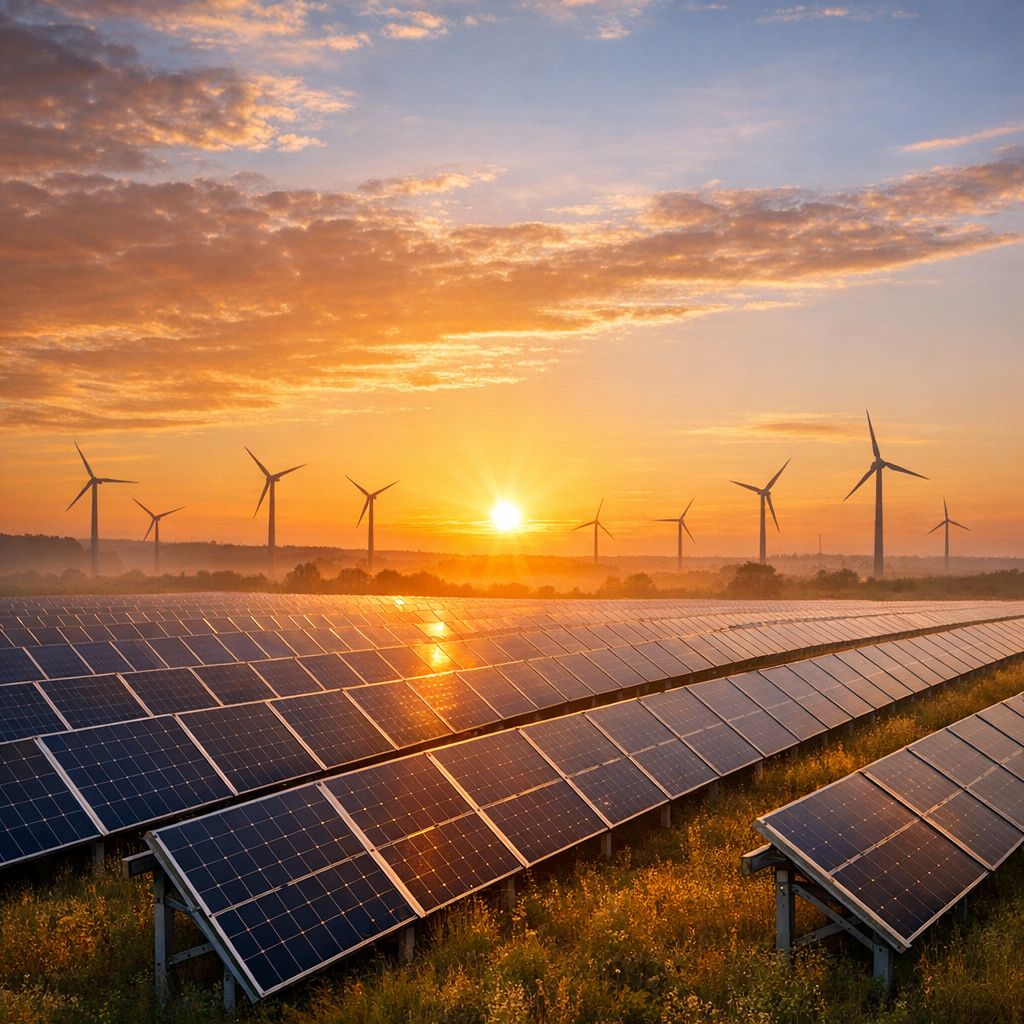
Across the world, renewable energy—particularly solar PV and wind—is gaining unprecedented ground. In 2025, solar PV accounted for more than one-quarter of all primary energy demand growth for the first time on record. Demand for coal slipped, especially in China and India, and renewables and nuclear power together contributed more than half of the increase in electricity generation globally. Even as oil, gas, and bioenergy still feature in the mix, the trend is inescapable: clean energy sources are gradually displacing fossil fuels.
This transition isn’t without its challenges. While global energy investment reached a record $3.3 trillion in 2025, fewer countries improved across three pillars—security, affordability, sustainability—than in past years. Bottlenecks remain in permitting, grid integration, and equitable financing. Developing nations, in particular, struggle with high borrowing costs and infrastructure constraints that hamper their ability to participate fully in the energy transition.
Migration: Displacement on a Global Scale
The World Migration Report 2026 estimates there were about 304 million international migrants by mid-2024. Yet this massive number still represents a small fraction of the global population—most people continue to live in their country of birth. What stands out is the scale of internal displacement: over 83 million people were displaced within their own countries by the end of 2024. Work and economic opportunity remain the leading drivers for migration, while conflict, environmental pressures, and disaster push increasing numbers into displacement.
The Urgency of AI Governance
Meanwhile, AI technologies are advancing rapidly, raising complex ethical, economic, and security questions. Recent reports highlight how leading countries are crafting patchwork legal frameworks to regulate AI—some focusing on military applications, others on algorithmic transparency or data use. In Europe, the EU AI Act is becoming a benchmark, with proposals that stretch into areas like watermarking generated text. In parallel, global forums are emphasizing cooperation given AI’s cross-border nature.
Some AI firms are calling for slowdowns or moratoriums, especially when it comes to powerful models whose potential misuse is difficult to foresee. One contentious legal case alleges several major AI labs entered into agreements to curb innovation. While the intent may be precautionary, critics argue such constraints risk limiting competition and may chill beneficial advances. The balancing act between innovation and safety is proving to be one of the defining issues of the era.
What It Means for Communities Like Winter Park
These global trends may seem distant, but they ripple into local life. Clean energy growth pushes down costs for solar power—even here in Colorado. Migration and refugee flows influence labor markets, services, and social supports. AI governance debates determine how privacy, job automation, and public services evolve in communities everywhere.
Staying informed and involved—through local policy discussions, energy co-ops, and civic forums—spurs more resilient responses. Whether it’s advocating for better clean energy incentives or ethical AI practices, citizens matter.