

By Emma Williams
Across the globe, climate scientists are delivering a clear message: we are approaching a dangerous warming threshold. A recent United Nations report confirms that global temperatures are likely to pass the 1.5 °C limit above pre-industrial levels in the near future—a milestone that carries serious consequences for ecosystems, human health, and national stability. But amid the urgency, there’s still room for hope.
Why 1.5 °C matters
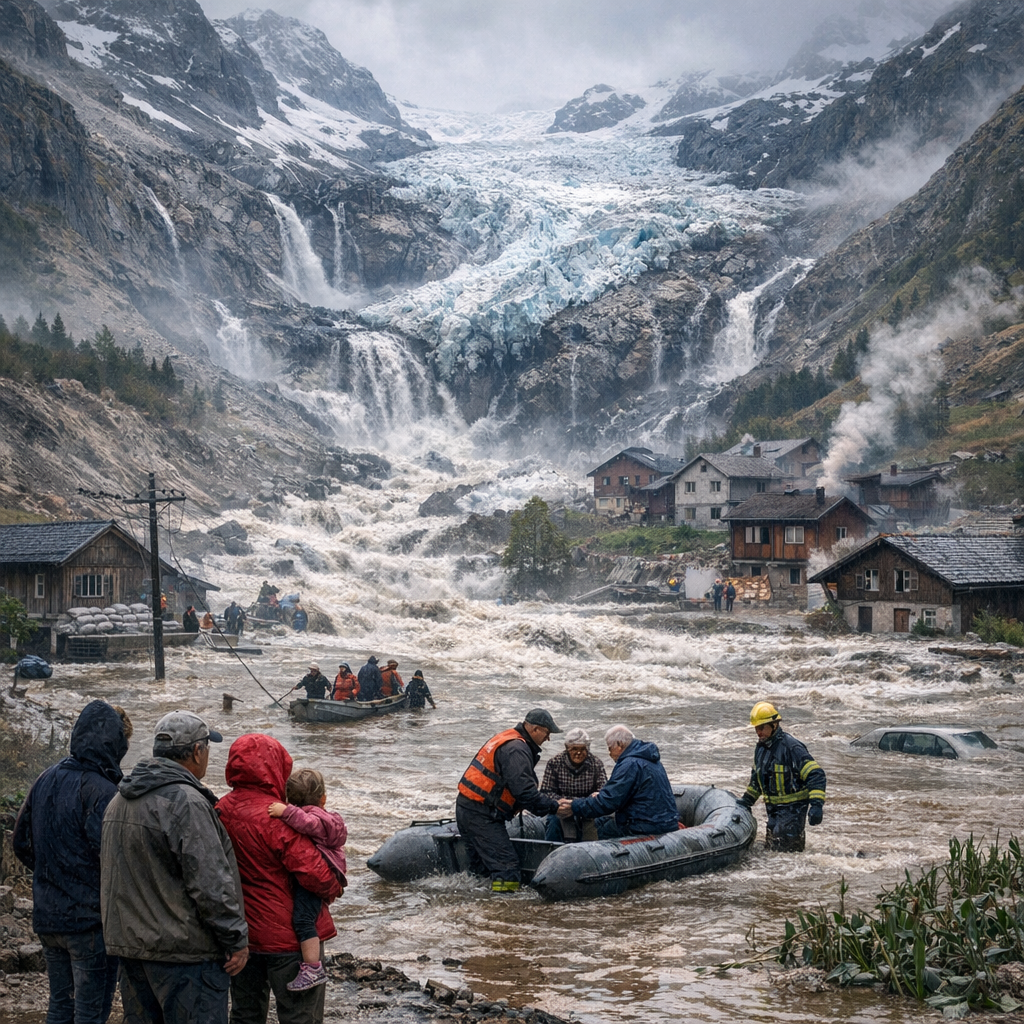
The Paris Agreement set 1.5 °C as a target meant to avoid the most extreme effects of climate change. Exceeding it means significantly higher risks of intense heatwaves, rising seas, stretched water supplies, and damage to food systems worldwide. Vulnerable communities—especially those in low-income countries—are already bearing the brunt, experiencing disasters more often and with fewer resources to recover. On the current trajectory, scientists warn that we may breach this threshold within a few years.
What pathways remain
While crossing 1.5 °C seems almost inevitable, experts describe an “overshoot, peak, and decline” pathway as the best remaining option. In this scenario, temperatures might temporarily exceed the target, but with strengthened emissions cuts and broad adaptation efforts, the rise could be reversed. This involves rapidly reducing greenhouse gas emissions now, investing in climate-resilient infrastructure, and scaling up support to at-risk nations.
Uneven impacts—and unequal responsibility
As warming escalates, its effects aren’t evenly distributed. Countries already vulnerable to climate disasters—such as droughts, flooding, or extreme heat—suffer more severely and often with less safety net. Economically richer nations contribute the bulk of emissions historically, but developing countries often face the lion’s share of damage. Financing, technology transfer, and international cooperation are seen as critical tools for balancing this disparity.
What you can do locally—even from Winter Park
You might feel far removed from rising seas or coastal storms, but winter destination communities like ours face shifting snowfall patterns, more wildfire risks, and changing seasonal water availability. Here are some meaningful steps individuals and local policy makers can take:
- Support renewable energy development projects in the region (solar, wind, geothermal).
- Encourage efficient building practices—better insulation, energy-efficient appliances—to reduce demand.
- Back policies that invest in green infrastructure: clean public transit, drought-resilient landscaping, and sustainable tourism.
- Engage in community awareness: climate-focused education and preparation planning help everyone adapt faster.
Still time—if we make it count
The new data does not mean we are past hope. It means each moment—and each decision—matters. If we act quickly and together, prioritizing vulnerable populations and long-term resilience, we may still hold future warming to safer levels. For Winter Park, that might mean safeguarding our mountain watersheds, protecting local wildlife, and ensuring our winters remain part of the town’s identity. Globally, it could shape whether future generations face frequent heat disasters, or can thrive in a stable, secure climate.