

By Olivia Martinez
Winter Park is at a turning point. With new development plans moving through regulatory channels, and residents expressing concerns over housing and identity, the town faces big decisions in how it grows—and who it serves.
What Residents Are Saying
A community survey conducted in mid-2025 gathered opinions from 255 full- and part-time residents and revealed key priorities. Locals overwhelmingly want Winter Park to keep its small-town, authentic character, and avoid becoming a more commercialized ski resort like Vail or Aspen. That sentiment comes alongside notable concerns about overdevelopment, loss of identity, and displacement of longtime residents. The cost of housing stood out as one of the most urgent worries, especially affordable and attainable homes for local workers. Transportation and parking also ranked high; people broadly support improvements to public transit like The Lift, but are wary about things like paid parking. Many residents called for better pedestrian infrastructure and better connectivity between downtown and the resort.
Major Development Plans on the Table
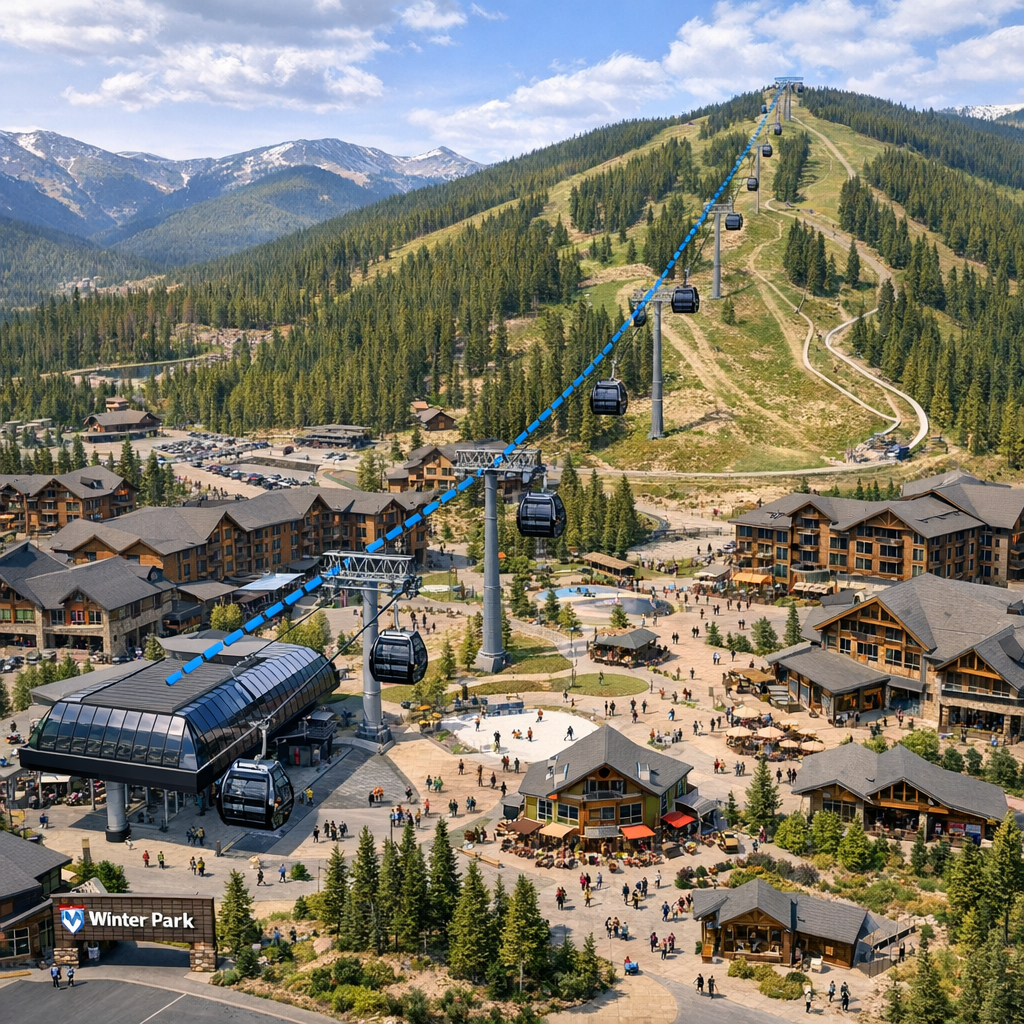
The “Winter Park Unlocked” initiative—a sweeping redevelopment effort led by Winter Park Resort, Alterra Mountain Company, the Town of Winter Park, and other partners—is shaping how the base area, on-mountain terrain, and connections downtown might look for years to come. Projects include replacing the Gemini Lift with a new gondola, expanding terrain such as Vasquez East and West, and up to 400 multifamily units and tens of thousands of square feet of commercial space. Many plans are pending approvals and still under review. Construction could begin as early as summer 2026 for some phases pending permits.
Employee Housing & Community Investments
Tied to Unlocked is a set of agreements around workforce housing, childcare, and public infrastructure. The town is pushing for housing built for local workers, protections for residents amid rising property values, and ensuring that developers meet community standards. There’s also strong support for the gondola and ski-back trail as ways to ease traffic, improve access, and make non-car travel more feasible. These efforts connect directly to Winter Park’s broader sustainable community plan, which emphasizes preserving natural beauty, equity, and year-round economic opportunity.
Balancing Act: Challenges & Questions Ahead
While residents generally support infrastructure investments and sustainable growth, concern remains about whether new developments truly serve locals. Some worry luxury units and short-term rentals will dominate, pushing those who work here out. Others hope that spaces meant for public benefit—parks, trails, transit—won’t get lost in deals favoring private developers. Overarching all this is a question of identity—how Winter Park defines itself in the face of tourist demand, real estate pressure, and growth.
That tension doesn’t have easy answers, but the town is responding. Public hearings, transparency around development agreements, and community participation in planning are part of the process. Whether Winter Park can grow without losing what makes it unique depends in part on how those conversations shape the final plans.
What You Can Do
- Attend upcoming Town Council or Planning Commission meetings where PDPs and FDPs get discussed.
- Review the Winter Park Unlocked documents to understand what’s proposed—and share feedback.
- Stay informed about workforce housing programs and eligibility.
- Participate in community surveys or forums to make sure your voice counts.
As Winter Park charts its future, its path forward depends on balancing opportunity and legacy. The decisions made now will shape who belongs—and who thrives—here for years to come.